Black Tea

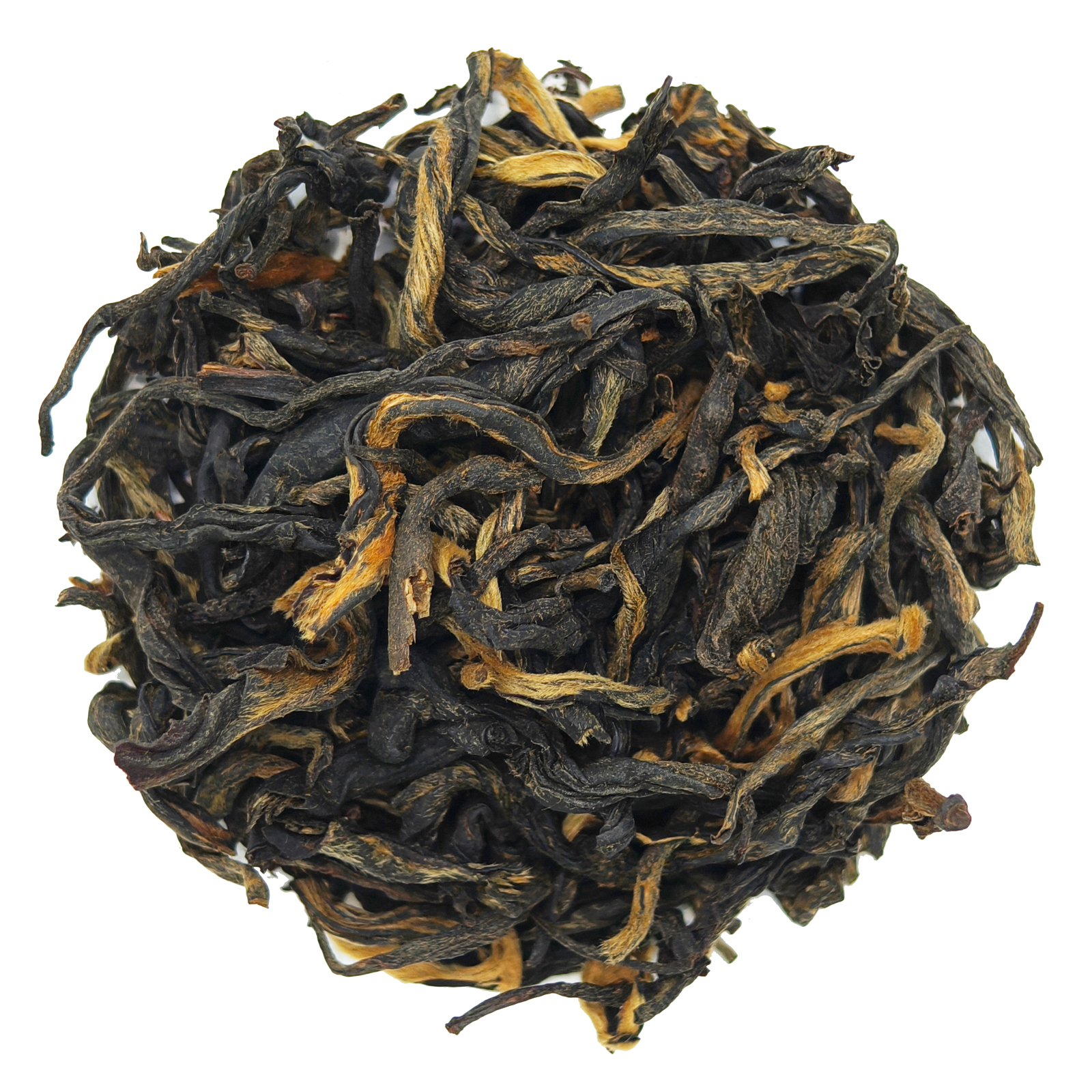
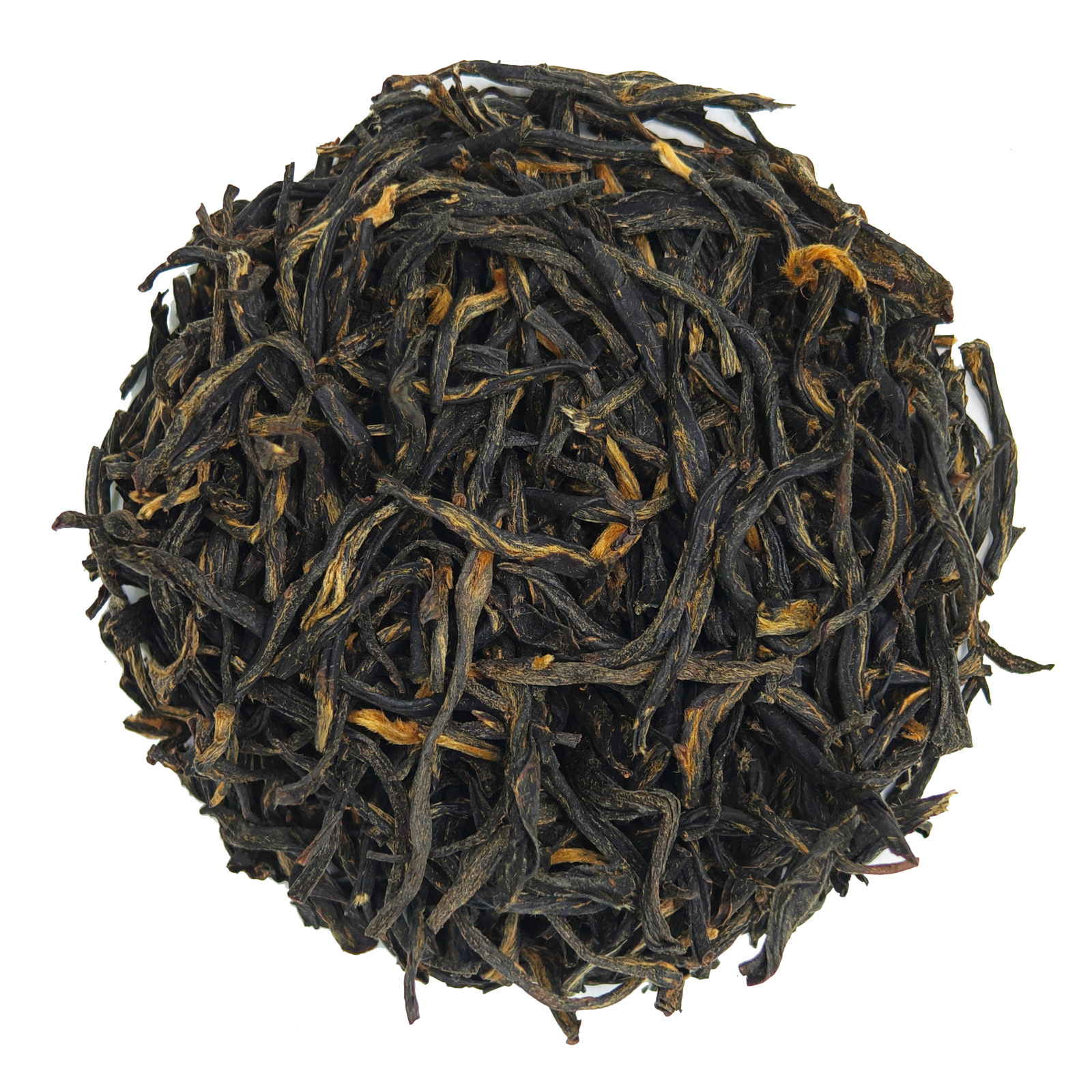
Black tea is a fully fermented tea. There are two ways of making black tea, the orthodox method and the CTC method? In the orthodox method which is mainly used in China, the processing techniques include withering, rolling, oxidation and drying. CTC which means Crush, Tear and Curl, is an efficient way of mass production of black tea at low cost. It was invented in 1930s to increase the weight of tea that could be packed into a sack or chest. In this process, the leaves are first withered and then they are put through a series of rollers, covered in hundreds of small, sharp teeth. These teeth cut, tear and curl the leaves, producing tiny granules which are perfect for tea bags. After this, they go through the same oxidation and drying processes as the orthodox method. In both methods, oxidation contributes greatly to the distinctive color, taste and strength of black tea.

Black tea is produced in many places in China, and according to processing technique and tea features it can be subdivided into Souchong black tea, Congou black tea and Broken black tea? Souchong black tea includes Lapsang Souchong and smoky Souchong. Made in the Wuyi Mountain, Fujian province, Lapsang Souchong is the world's first black tea. There isn't a scent or flavor more distinctive than that of Souchong. It's all down to the pinewood smoke that permeates the tea leaves when they're being dried. According to differences in origin, processing methods, and quality characteristics, Xiaozhong black tea is classified into two distinct varieties: Lapsang Souchong (Zhengshan Xiaozhong) and Smoked Souchong (Yan Xiaozhong).

China is known for a variety of Congou black teas which are usually named according to their origins, such as Keemun(Qimen) Congou tea, Dianhong Congou tea and Bailin Congou tea etc. Among them, Keemun tea, with the reputation of "the most fragrant tea", is one of the top three famous black teas in the world (the other two being Darjeeling tea from India and Uva black tea from Sri Lanka).

Broken black tea is made by chopping tea leaves into granules and it is usually made into tea bags which provide a convenient and popular way of tea drinking. Tasting sweet and mellow, black tea is the most popular tea in the world. Some people prefer plain tea without adding anything, while others love to add various ingredients like milk and sugar into the tea. 

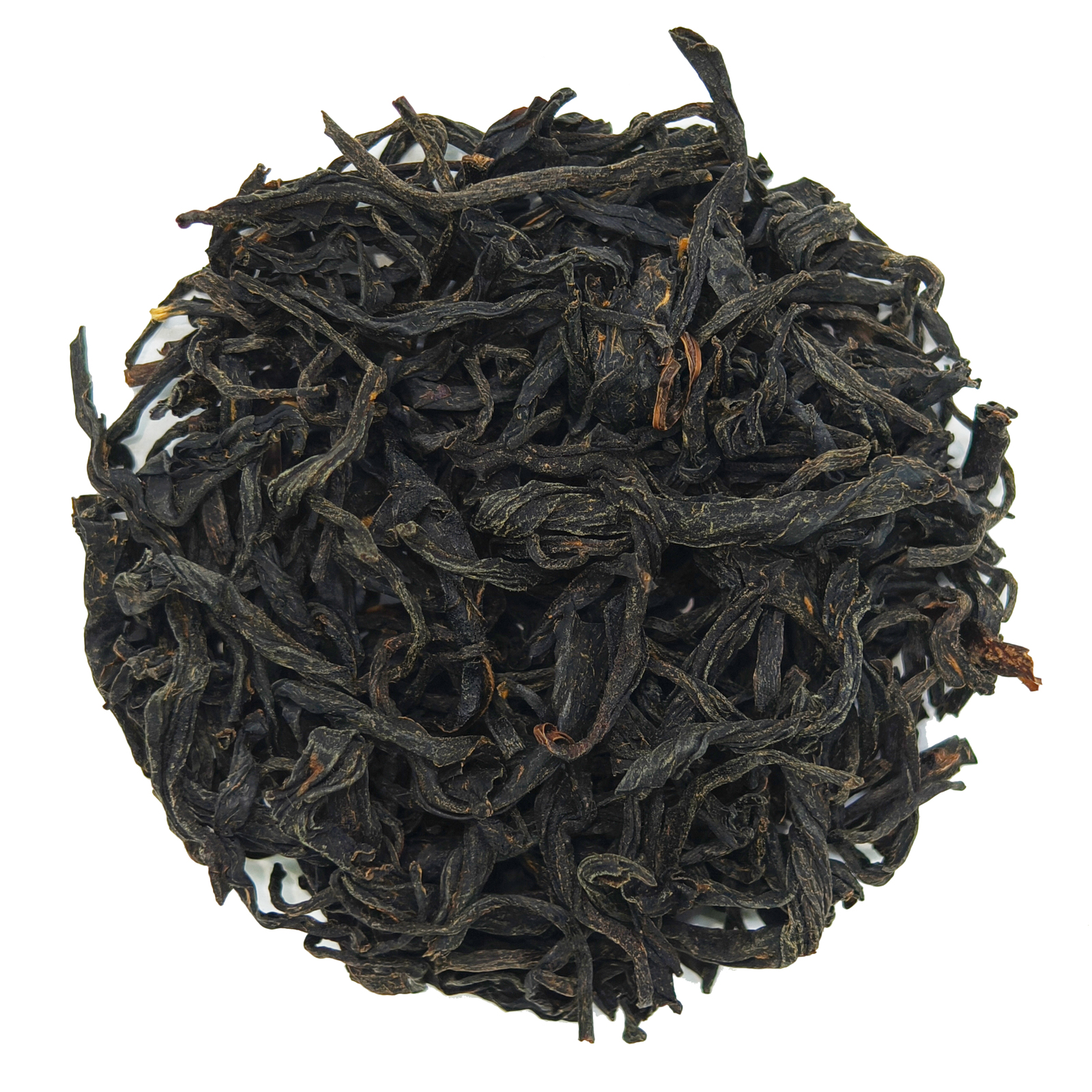
It is noteworthy that the meaning of " black tea" is somewhat ambiguous. " Black tea" equals Chinese "hong cha " or Chinese " red tea". This is because most black teas are dark brown or black in term of the color of dry tea leaves. While in turns of the color of the infused liquid, it is somewhat red or reddish and that's why the Chinese call it "hong cha" or “red tea”. In order to be consistent with the international usage, Chinese use “black tea” to refer to Chinese "hong cha" or "red tea" and Chinese "Hei cha”, literally Chinese black tea, is therefore called "dark tea". Interestingly, the ambiguity of " black tea" reflects the diversity of Chinese teas.
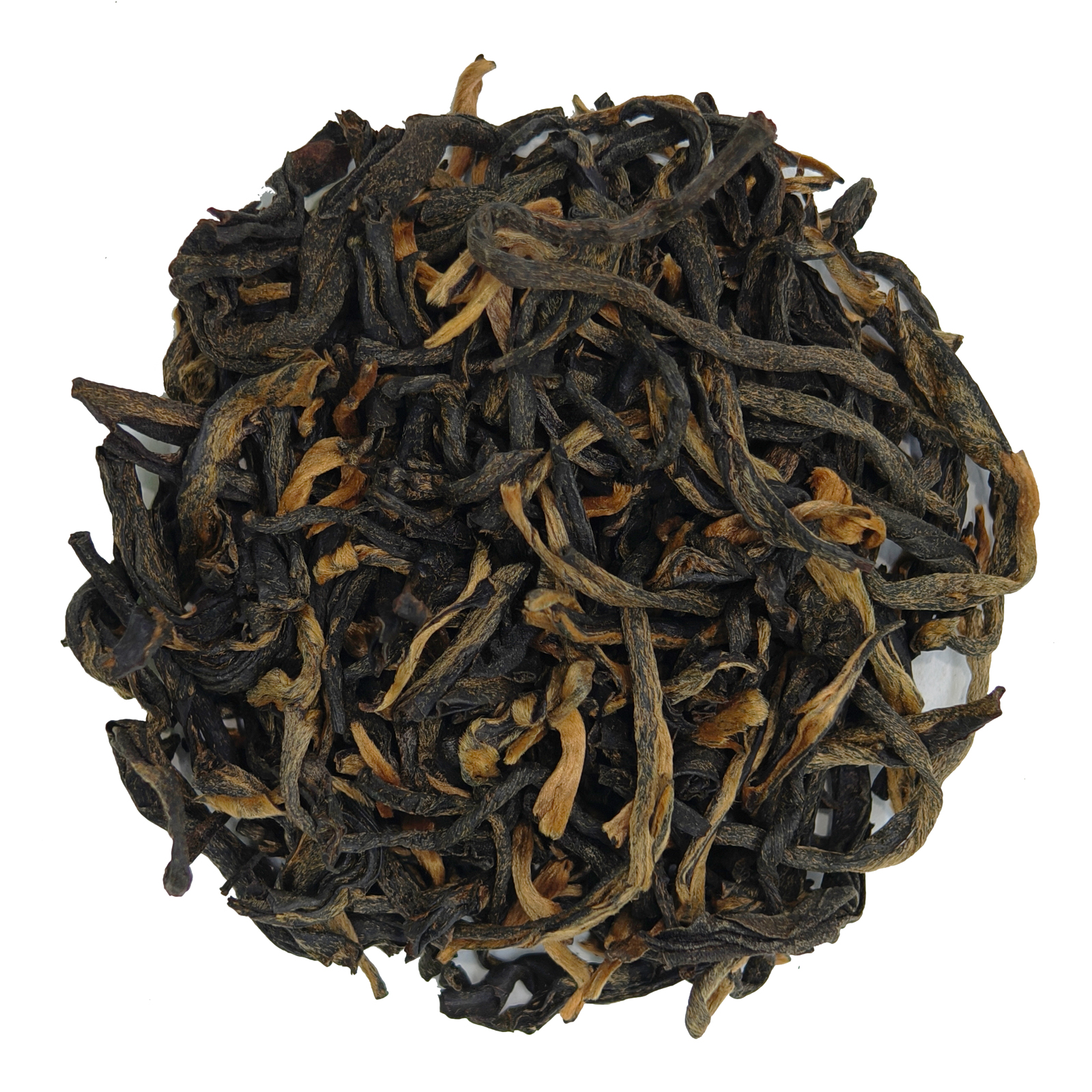
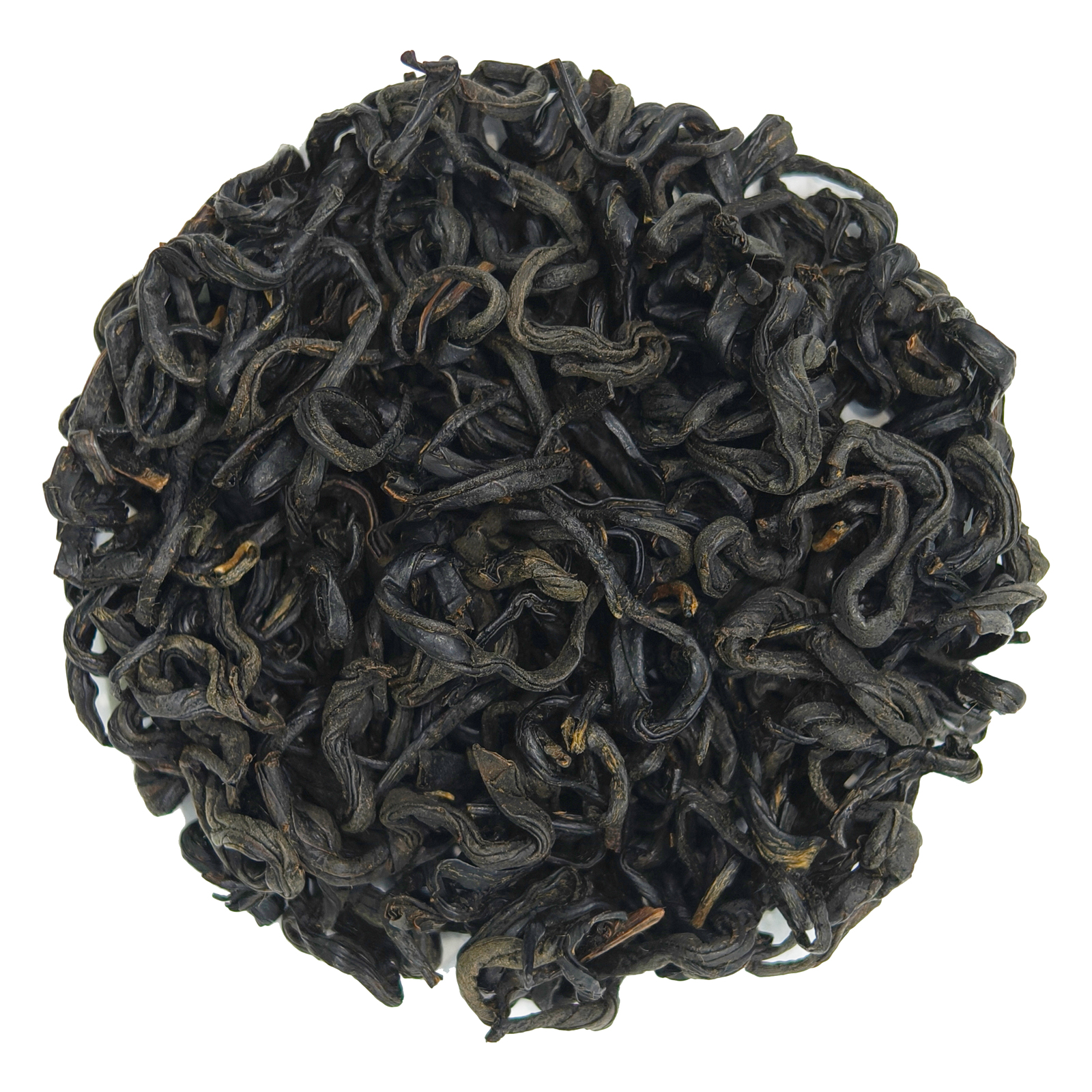
 

Black tea is a fully fermented tea. There are two ways of making black tea, the orthodox method and the CTC method? In the orthodox method which is mainly used in China, the processing techniques include withering, rolling, oxidation and drying. CTC which means Crush, Tear and Curl, is an efficient way of mass production of black tea at low cost. It was invented in 1930s to increase the weight of tea that could be packed into a sack or chest. In this process, the leaves are first withered and then they are put through a series of rollers, covered in hundreds of small, sharp teeth. These teeth cut, tear and curl the leaves, producing tiny granules which are perfect for tea bags. After this, they go through the same oxidation and drying processes as the orthodox method. In both methods, oxidation contributes greatly to the distinctive color, taste and strength of black tea.

Black tea is produced in many places in China, and according to processing technique and tea features it can be subdivided into Souchong black tea, Congou black tea and Broken black tea? Souchong black tea includes Lapsang Souchong and smoky Souchong. Made in the Wuyi Mountain, Fujian province, Lapsang Souchong is the world's first black tea. There isn't a scent or flavor more distinctive than that of Souchong. It's all down to the pinewood smoke that permeates the tea leaves when they're being dried. According to differences in origin, processing methods, and quality characteristics, Xiaozhong black tea is classified into two distinct varieties: Lapsang Souchong (Zhengshan Xiaozhong) and Smoked Souchong (Yan Xiaozhong).

China is known for a variety of Congou black teas which are usually named according to their origins, such as Keemun(Qimen) Congou tea, Dianhong Congou tea and Bailin Congou tea etc. Among them, Keemun tea, with the reputation of "the most fragrant tea", is one of the top three famous black teas in the world (the other two being Darjeeling tea from India and Uva black tea from Sri Lanka).

Broken black tea is made by chopping tea leaves into granules and it is usually made into tea bags which provide a convenient and popular way of tea drinking. Tasting sweet and mellow, black tea is the most popular tea in the world. Some people prefer plain tea without adding anything, while others love to add various ingredients like milk and sugar into the tea. 

It is noteworthy that the meaning of " black tea" is somewhat ambiguous. " Black tea" equals Chinese "hong cha " or Chinese " red tea". This is because most black teas are dark brown or black in term of the color of dry tea leaves. While in turns of the color of the infused liquid, it is somewhat red or reddish and that's why the Chinese call it "hong cha" or “red tea”. In order to be consistent with the international usage, Chinese use “black tea” to refer to Chinese "hong cha" or "red tea" and Chinese "Hei cha”, literally Chinese black tea, is therefore called "dark tea". Interestingly, the ambiguity of " black tea" reflects the diversity of Chinese teas.
 

Sorry, there are no products in this category